Buyer-Safe ProofAnonymous case studies for real procurement confidence.
Until named logos and signed testimonials are available, the strongest trust layer is a set of buyer-safe stories that explain the problem, sizing logic, document path, and RFQ outcome.
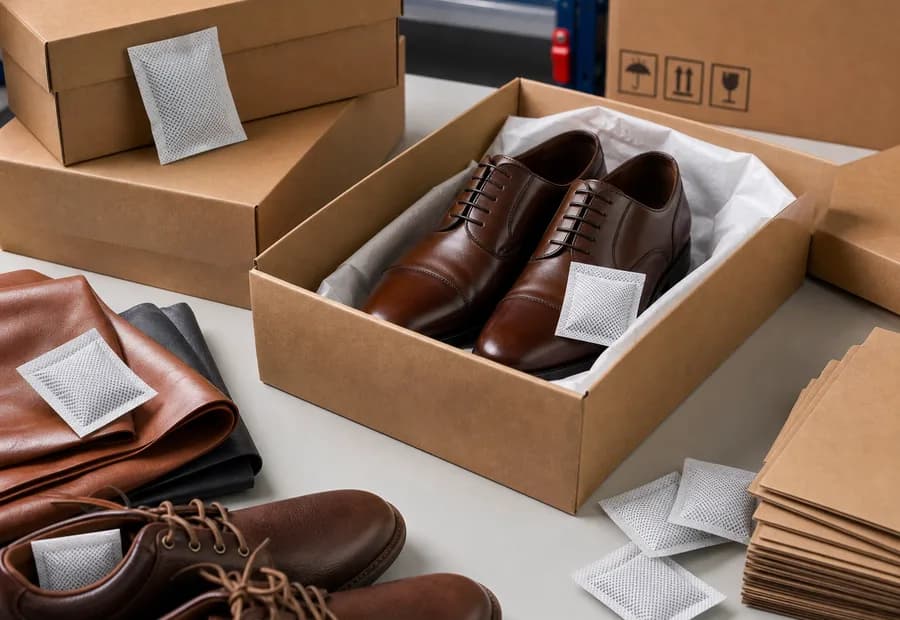
Case 01 / Leather / Footwear ExportReducing moisture-risk checks before dispatch.
ContextA seasonal exporter needed a repeatable moisture-control path for cartons moving through humid storage and sea freight.
ChallengeThe team was choosing sachet sizes order by order, which made RFQs slower and created uncertainty around carton-level protection.
ApproachWe framed the order around carton size, product sensitivity, destination climate, and available sachet formats: 5g, 10g, 25g, and 50g.
Proof PathThe buyer request path emphasized SDS, COA, DMF-free support, MOQ, and packing quantity before final quote discussion.
OutcomeThe buyer could send clearer RFQs with size, quantity, and document needs aligned before price negotiation.
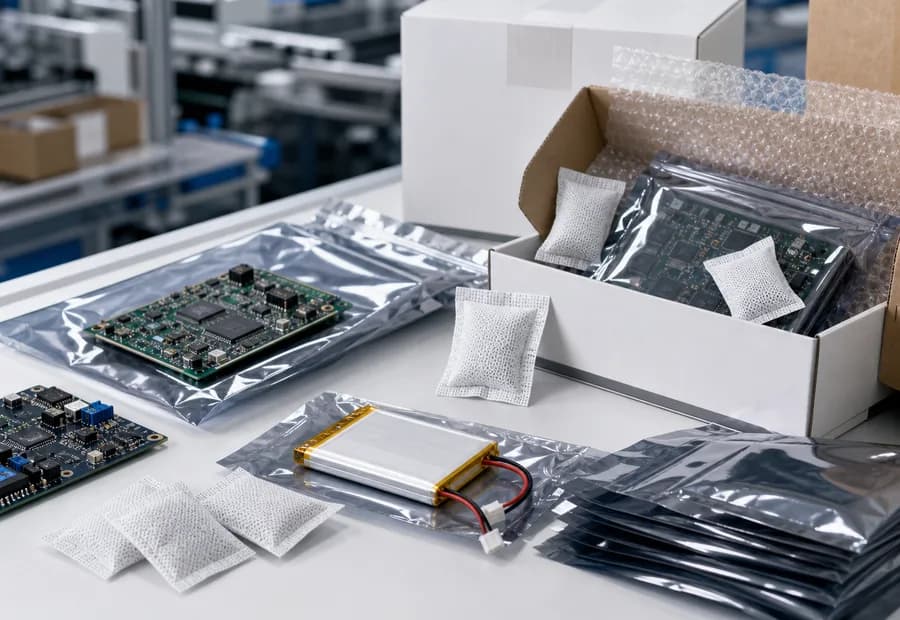
Case 02 / Electronics PackagingMoving from guessing to documented pack selection.
ContextAn electronics packaging buyer needed desiccant guidance for boxed components, accessories, and PCB-adjacent shipments.
ChallengeThe purchasing team wanted moisture-control guidance without over-ordering or mixing unrelated product formats.
ApproachWe separated unit-level sachets from carton-level protection and routed the buyer toward size, quantity, and documentation fields.
Proof PathThe recommended request included product format, application, shipment destination, SDS/COA needs, and sample requirement.
OutcomeThe buyer had fewer back-and-forth questions before quote and a clearer document checklist for internal approval.
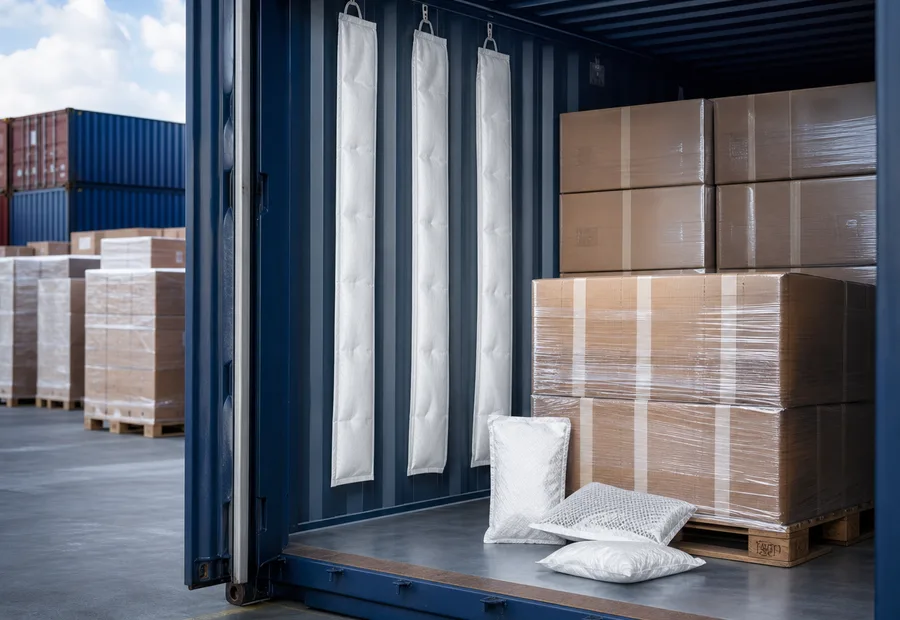
Case 03 / Maritime LogisticsPlanning strip requirements before freight pricing.
ContextA cargo team needed to evaluate desiccant strips before confirming FOB/CIF terms for long-haul shipments.
ChallengeContainer size, transit route, dispatch date, and humidity exposure were all affecting the final requirement.
ApproachWe mapped the request around 1kg, 2kg, 3kg, and 5kg strip options with route, Incoterms, and destination captured early.
Proof PathThe buyer was guided to share port/city, quantity, recurring volume, and documentation requirements before final quotation.
OutcomeThe RFQ became useful for both technical sizing and commercial freight discussion instead of only asking for unit price.
Proof RulesKeep the stories credible until named clients are approved.
These case studies are designed to build confidence without overstating the business, exposing customers, or claiming certifications that are not documented.
01Client names stay anonymous until written permission is available.
02Claims describe workflow improvements, not audited performance metrics.
03Documents and certifications are only shown when valid proof exists.
04Photos should hide private labels, shipment references, invoice values, and buyer identities.